Image SEO is essential for boosting your site’s visibility and improving user experience. By optimizing images, you enhance loading speed, engage users, and signal quality content to search engines, leading to higher rankings and increased traffic. Best practices include using the right file formats, compressing images, and adding descriptive alt text. You can also leverage advanced techniques like structured data and lazy loading for further optimization. Keep exploring to reveal even more strategies for image success.
Key Takeaways
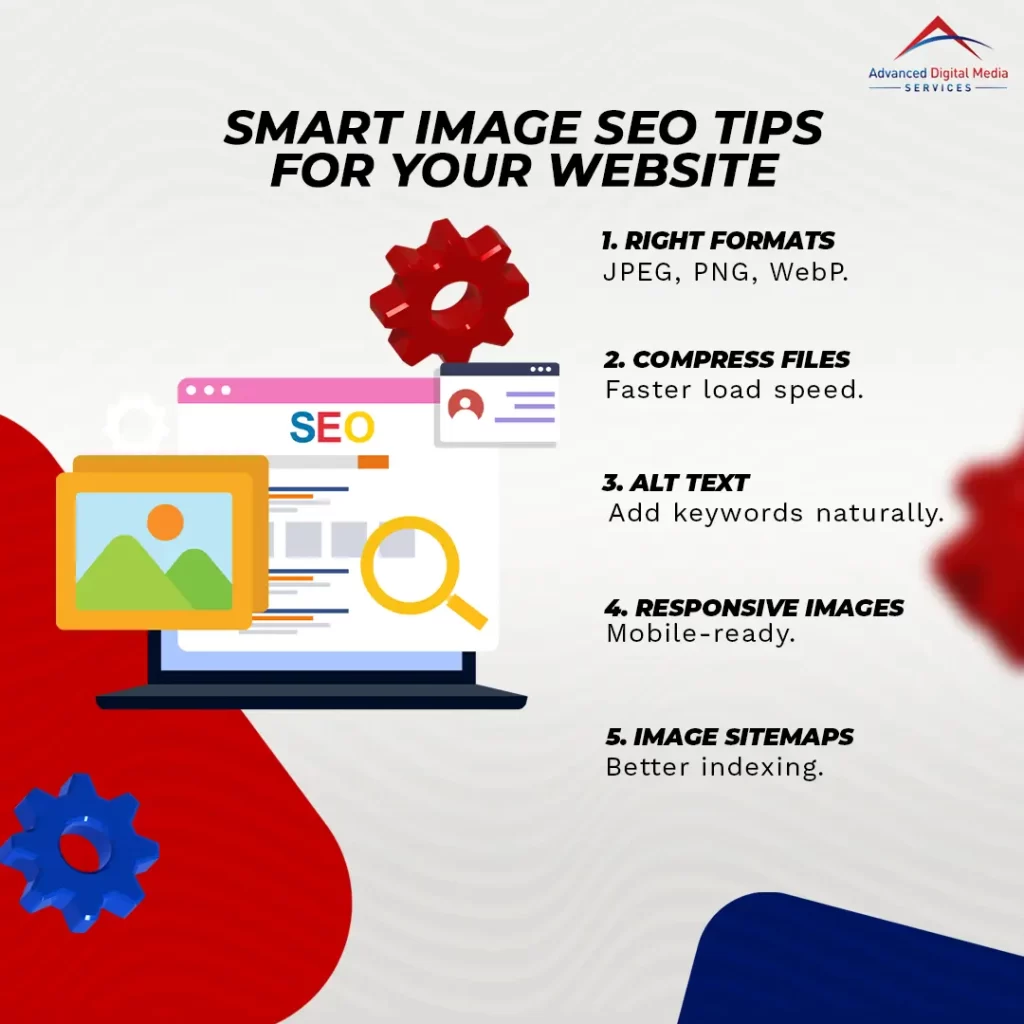
- Optimize images by choosing the right formats (JPEG, PNG, WebP) and compressing them without losing quality for better site performance.
- Use descriptive alt text and relevant keywords in file names to improve accessibility and enhance search engine visibility.
- Implement responsive images and lazy loading to improve loading times and user engagement on mobile devices.
- Create image sitemaps and leverage structured data to help search engines index and recognize your visuals effectively.
- Regularly update your images and ensure they are contextually relevant to the surrounding text for ongoing SEO benefits.
Why Image SEO Matters for Your Website
Optimizing your images can greatly boost your website’s rankings and visibility in search results. When images are properly optimized, they not only enhance user experience but also contribute to faster site speed, which can lead to higher conversion rates. Understanding this connection is essential for maximizing your online presence and overall success.
How optimized images improve rankings and visibility
When you enhance your images for SEO, you’re not just improving their appearance; you’re also boosting your website’s search rankings and visibility. Image optimization for SEO involves properly naming files, using alt text, and compressing images without losing quality. This practice helps search engines understand your content better, making it more likely to appear in relevant search results. Additionally, optimized images load faster, which can reduce bounce rates and keep visitors engaged. By improving your images, you’re not only making your site more appealing but also signaling to search engines that your content is valuable. Ultimately, this leads to higher rankings, increased traffic, and greater visibility, making image optimization for SEO an essential part of your digital strategy.
The connection between site speed, user experience, and conversions
Site speed plays an essential role in user experience and conversions, which is where image SEO becomes particularly important. You might not realize it, but how images affect page speed can greatly impact your site’s performance. Large, unoptimized images can slow down loading times, leading to frustrated visitors who may leave before engaging with your content. When images are properly optimized—compressed and appropriately sized—your pages load faster, improving user experience and keeping potential customers engaged. This positive experience translates into higher conversion rates, as users are more likely to complete desired actions on a fast-loading site. So, investing time in image SEO not only enhances your site’s speed but ultimately boosts your business’s bottom line.
Best Practices for Image Optimization
When it comes to image optimization, you’ll want to focus on a few key practices to enhance your site’s performance. Choosing the right file format, compressing images without sacrificing quality, and using responsive images are essential steps. By implementing these strategies, you’ll improve load times and boost your SEO efforts.
Choosing the right file format (JPEG, PNG, WebP)
Choosing the right file format for your images can greatly impact your website’s performance and load times. JPEG, PNG, and WebP each have their strengths, so you’ll want to select based on your specific needs. JPEG is perfect for photographs, balancing quality and file size well. PNG, on the other hand, is ideal for images requiring transparency and sharp edges. When considering WebP vs JPEG for SEO, WebP often takes the lead due to its superior compression capabilities, which can boost your site’s loading speed without sacrificing quality. This can enhance user experience and potentially improve your search rankings. Remember to test different formats to see which works best for your content and audience!
Compressing images without losing quality
While maintaining image quality is essential for engaging users, compressing images effectively can greatly enhance your website’s loading speed. To achieve this, use tools like TinyPNG or ImageOptim, which reduce file size without sacrificing quality. Aim for a balance between image resolution and file size—keep images at the appropriate dimensions for your site. Additionally, consider using the WebP format, as it often provides better compression than traditional formats. Always preview your images after compression to guarantee they still look great. Remember, the goal is compress images for faster loading while preserving the visual appeal. By following these best practices, you’ll improve user experience and boost your site’s SEO performance.
Using responsive images for mobile-first indexing
Optimizing images for mobile devices is essential in today’s digital landscape, especially with mobile-first indexing becoming the norm. To guarantee your website ranks well, you need to implement responsive images for mobile SEO. Start by using the <picture> element and srcset attributes, which allow different image sizes to load based on the user’s device. This approach not only speeds up loading times but also enhances user experience. Make certain to set proper dimensions and aspect ratios, so images display correctly on all screen sizes. Don’t forget to include descriptive alt text for accessibility and SEO benefits. By following these best practices, you’ll improve your site’s performance and visibility in search results, ultimately attracting more mobile visitors.
The Role of Alt Text and File Names in SEO
When it comes to image SEO, alt text and file names play an essential role in your strategy. By writing descriptive alt tags, you not only enhance accessibility but also improve your search rankings. Plus, using keyword-relevant file names can boost your visibility even further.
Writing descriptive alt tags for accessibility and rankings
Alt text and file names play an essential role in both accessibility and SEO, as they provide context to users and search engines alike. When writing alt tags, follow alt text best practices by being descriptive and concise. Describe the image clearly, using relevant keywords naturally while avoiding keyword stuffing. This helps visually impaired users understand the content and signals to search engines what the image represents. Remember, alt text should function as a substitute for the image itself, so focus on conveying essential information. Keep it under 125 characters for ideal performance. By implementing these strategies, you’ll enhance user experience and improve your site’s search engine rankings, giving your content a better chance of being discovered.
Naming files strategically for keyword relevance
File names are often overlooked but play an essential role in enhancing your website’s SEO. By strategically naming your image file names, you can improve your chances of ranking higher in search results. Here are some tips to keep in mind:
- Use keywords relevant to the image content.
- Keep file names concise and descriptive.
- Avoid special characters and spaces; use hyphens instead.
- Include your brand name when appropriate.
- Organize images in folders that reflect their content.
Advanced Image SEO Techniques
When it comes to advanced image SEO techniques, you can really enhance your strategy by leveraging structured data and image sitemaps. Optimizing for platforms like Google Discover and visual search results can also boost your visibility. Plus, using lazy loading helps maintain your site’s speed while keeping SEO in mind.
Leveraging structured data and image sitemaps
To enhance your image SEO strategy, leveraging structured data and image sitemaps can make a significant difference in how search engines interpret and rank your visuals. By implementing structured data for images, you provide search engines with context about your images, improving their visibility. Here are some key points to reflect on:
- Use schema markup for images to enrich search results.
- Create an image sitemap to help search engines discover all your visuals.
- Include descriptive alt text for each image to enhance accessibility.
- Regularly update your image sitemaps to reflect new content.
- Monitor performance through Google Search Console for insights.
Optimizing for Google Discover, Image Search, and visual SERPs
As you aim to enhance your image SEO strategy, optimizing for platforms like Google Discover, Image Search, and visual SERPs becomes essential. Start by focusing on image metadata for SEO, ensuring your images have descriptive file names and alt text that reflect their content. This not only helps search engines understand your images but also improves accessibility. Use high-quality images that are visually appealing and relevant to your content. Additionally, consider the context in which your images appear; they should complement your text and engage users. Regularly updating your images and ensuring they’re mobile-friendly can further boost your visibility. By implementing these techniques, you can increase your chances of appearing in Google Discover and other visual search results.
Using lazy loading to balance speed and SEO impact
While optimizing your site for speed and SEO impact, using lazy loading can be a game-changer for your images. This technique delays image loading until it is needed, enhancing both user experience and page speed. Here are some benefits of lazy loading images for SEO:
- Faster page load times: Improves overall site speed.
- Better user engagement: Keeps visitors on your site longer.
- Reduced bounce rates: Encourages users to explore more content.
- Lower server load: Saves bandwidth by loading fewer images upfront.
- Improved rankings: Search engines favor faster-loading sites.
Boost Your Rankings with Advanced Digital Media Services
If you’re looking to boost your search rankings, Advanced Digital Media Services can help. Their professional SEO strategies are tailored specifically to your business goals, ensuring a thorough approach to website optimization. Contact ADMS today to maximize your site’s performance and visibility.
Professional SEO strategies tailored to your business goals
By implementing professional SEO strategies tailored specifically to your business goals, you can greatly enhance your online presence and drive targeted traffic to your website. Focusing on image SEO is vital for maximizing your impact. Here are some strategies to take into account:
- Create and submit image sitemaps to improve indexing.
- Optimize your image file names with relevant keywords.
- Use alt text to describe images clearly for search engines.
- Compress images to enhance page loading speed.
- Leverage social media to share visually engaging content.
These targeted approaches help guarantee your images reach the right audience, improving not just visibility but also the user experience. With the right strategies in place, your business can achieve significant growth and visibility online.
Full-service website optimization, from images to content
Boosting your website’s rankings is essential for attracting visitors and generating leads, and Advanced Digital Media Services offers extensive optimization solutions that cover everything from images to content. With a focus on full-service website optimization, we guarantee your images are not only visually appealing but also optimized for search engines. This includes implementing visual search optimization techniques, making your images discoverable through platforms like Google Lens. Our approach integrates compelling content that resonates with your audience while enhancing your site’s overall performance. By addressing both visual and textual elements, we help you create a cohesive digital presence that drives traffic and improves engagement. Trust us to elevate your online strategy and maximize your results across all aspects of your website.
Contact ADMS today to maximize your site’s performance and visibility
Release your website’s potential and watch your rankings soar with Advanced Digital Media Services. By optimizing product images and implementing robust SEO strategies, you can enhance your site’s visibility and performance. Here’s how ADMS can help:
- Tailored image optimization for faster loading times
- Strategic keyword integration to boost SEO
- Engaging content creation that complements your visuals
- Comprehensive analytics to track your progress
- Ongoing support to keep your site competitive
Don’t miss the chance to elevate your online presence. Contact ADMS today and let’s create a customized plan that drives traffic and increases conversions. With the right support, you’ll see your website transform into a powerful tool for your business success!
Frequently Asked Questions
How Do Images Impact Page Load Speed?
Images can considerably impact page load speed. Large or unoptimized images slow down your website, leading to a poor user experience. Compressing images and using the right formats can enhance loading times, improving overall site performance.
What Image Formats Are Best for SEO?
When it comes to optimizing your images, you’ll find that JPEGs are great for photographs, while PNGs shine with graphics. WebP’s a modern gem, balancing quality and size, enhancing your SEO efforts effortlessly.
Can Images Improve User Engagement Metrics?
Yes, images can notably improve user engagement metrics. They capture attention, enhance storytelling, and encourage visitors to spend more time on your site, ultimately leading to higher conversion rates and a better overall user experience.
How Often Should I Update My Images?
Updating your images regularly can be a game-changer for engagement. Aim to refresh them at least every few months, or whenever you have new content, ensuring your visuals stay relevant and intriguing for your audience.
Do Images Affect Mobile SEO Performance?
Yes, images do affect mobile SEO performance. Optimizing images for size and loading speed improves user experience, which search engines prioritize. So, guarantee your images are mobile-friendly to boost your site’s visibility and ranking.
Conclusion
To summarize, mastering image SEO isn’t just a luxury; it’s a necessity for anyone aiming to thrive online. By implementing the strategies outlined in this guide, you’ll not only elevate your website’s visibility but also engage users more effectively. Think of your images as the silent ambassadors of your brand—each one has the potential to captivate and convert. So, don’t overlook their power; optimize them wisely, and watch your online presence flourish.